Egypt, decoded — 5,000 years in plain English
Egypt is the oldest story in the world that we can still read — a civilisation that lasted about 3,000 years, built the tallest structure on Earth, invented one of the first writing systems, and left monuments that still stand today. Egypt Decoded tells that story in plain English, one guide at a time, from the unification of the Two Lands around 3100 BCE to the decoding of hieroglyphs in 1822.
Start here
five numbers that frame the whole story. 5,000 years: the span from the first farming villages on the Nile to the end of the pharaohs. 146.6 metres: the original height of the Great Pyramid of Giza, the tallest human-made structure in the world for more than 3,700 years. 700: the number of hieroglyphic signs in common use — a writing system that lasted over 3,500 years. 6,650 kilometres: the length of the Nile, the river that made Egypt possible. And 23 years: the time it took to decode the Rosetta Stone, from its discovery in 1799 to Champollion's announcement in 1822 — the key that unlocked the whole civilisation.
The beginnings: unification and the pyramids
- The Unification of Egypt & Narmer — how Narmer united Upper and Lower Egypt around 3100 BCE and founded the first unified state.
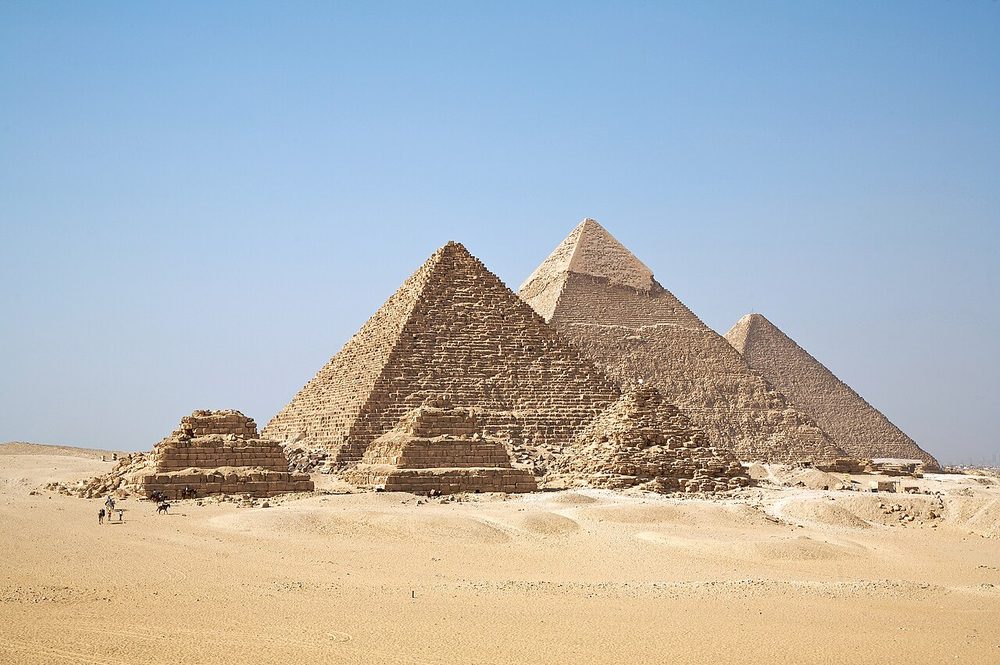
- The Pyramids & the Old Kingdom — Djoser's Step Pyramid, the Great Pyramid of Giza, and the workers who built them.
- The Middle Kingdom — Mentuhotep II reunified Egypt, Thebes rose, and literature reached its classical peak.
The empire and its kings
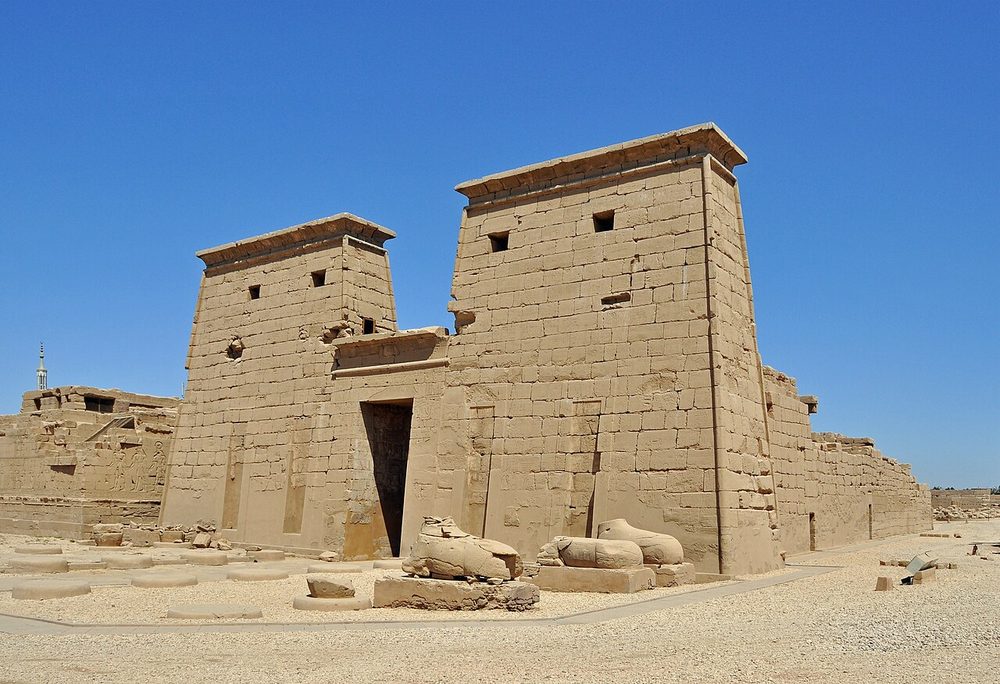
- The New Kingdom & Ramesses II — Egypt's age of empire, the Battle of Kadesh, and the temples of Abu Simbel.
- Tutankhamun & the Valley of the Kings — the boy king, his intact tomb, and Howard Carter's discovery in 1922.
- Cleopatra & the Ptolemies — the last pharaoh, her Greek dynasty, and the Battle of Actium.
How Egypt worked: writing, religion, and the river
- Hieroglyphs & Writing — about 700 signs, papyrus, and the scribes who ran the country.
- Religion & the Afterlife — the gods, mummification, the weighing of the heart, and the Book of the Dead.
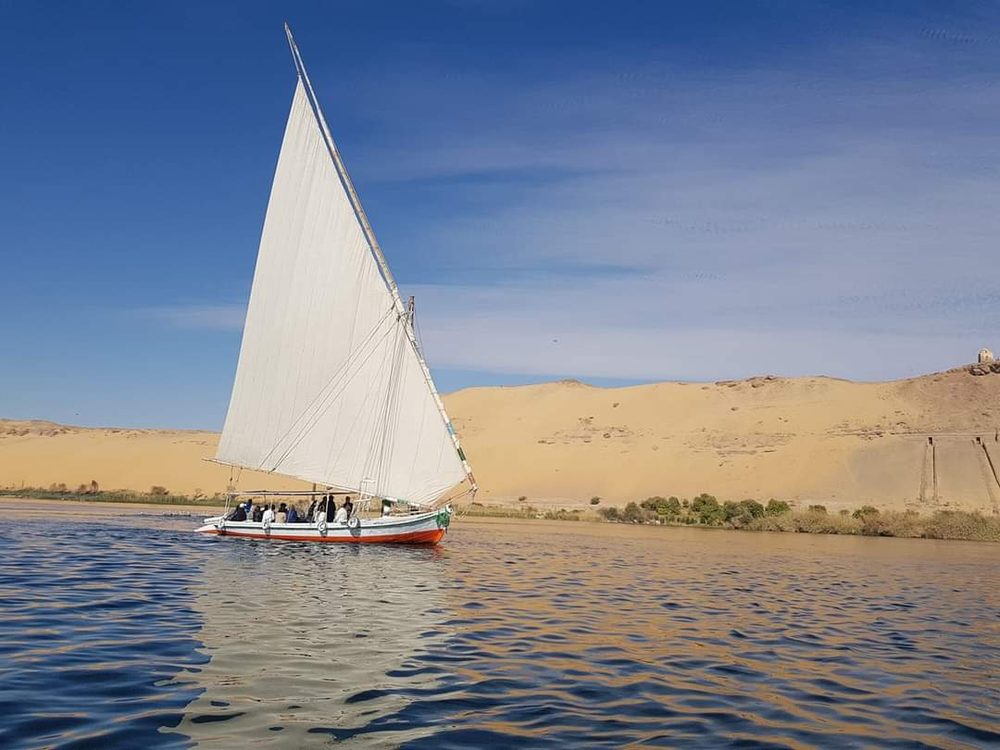
- The Nile & Agriculture — the river, the yearly flood, and the farming that fed a civilisation.
The end of the pharaohs and the rediscovery
- Roman & Islamic Egypt — Rome's breadbasket, the Arab conquest of 641, and the founding of Cairo.
- The Rosetta Stone & Modern Archaeology — how a broken slab found in 1799 unlocked hieroglyphs in 1822.
What this site will not do
Egypt Decoded is general history for general readers, not academic research and not travel advice — dates from 5,000 years ago are approximate, and where scholars disagree, each guide says so. This site sells nothing, ranks no tours, and takes no position on where artefacts should be held; it reports the facts, including that Egypt has asked for the Rosetta Stone's return. Figures are given as "c." (circa) where chronologies differ between sources, and every guide names its sources.
All dates on this site are approximate (marked "c." for circa) where chronologies differ between sources, and were checked against the sources named on each page on 27 November 2026.
Sources: This site's facts were checked against Wikipedia, Britannica, Smithsonian Magazine, the Metropolitan Museum of Art, the World History Encyclopedia, National Geographic, and the British Museum's published accounts, on 27 November 2026. All dates BCE are approximate, and chronologies differ between sources. Checked 27 November 2026.