Hieroglyphs & Writing
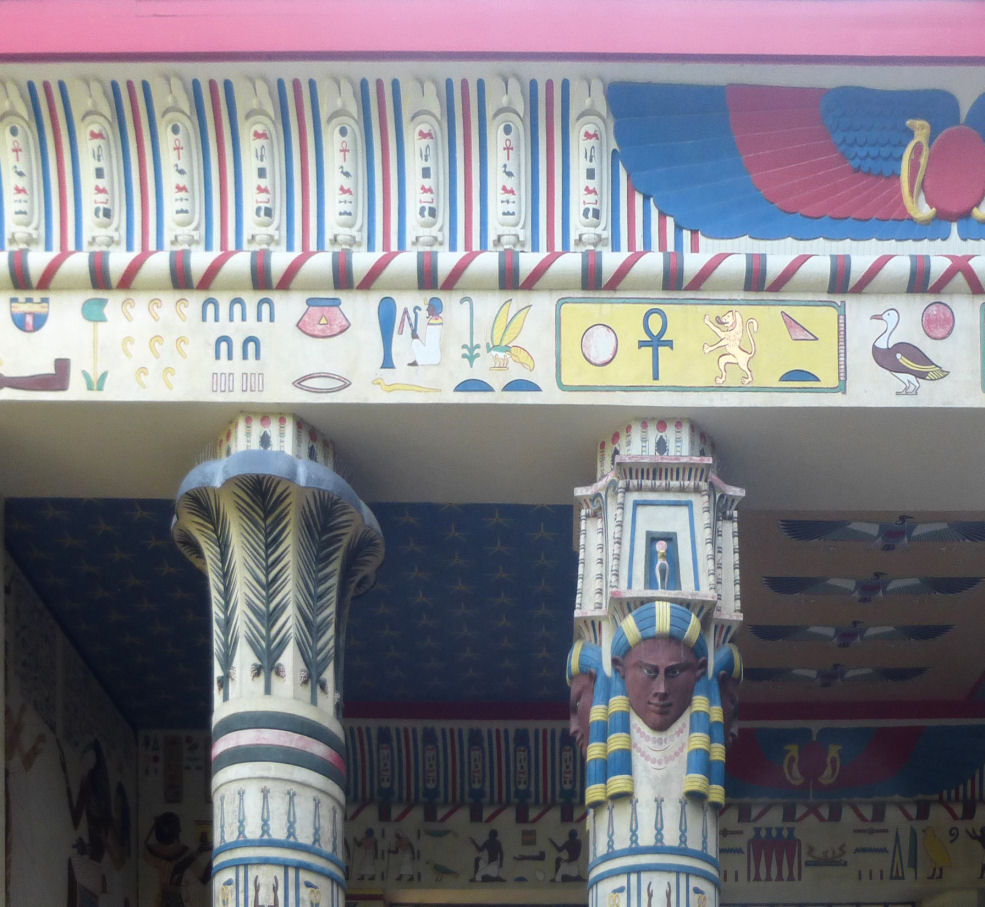
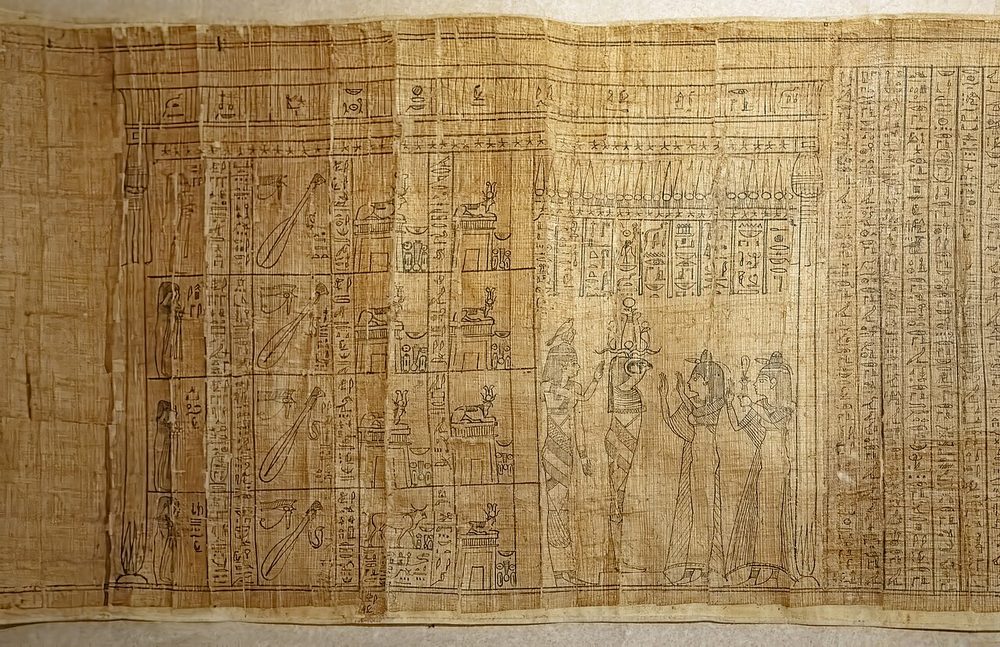
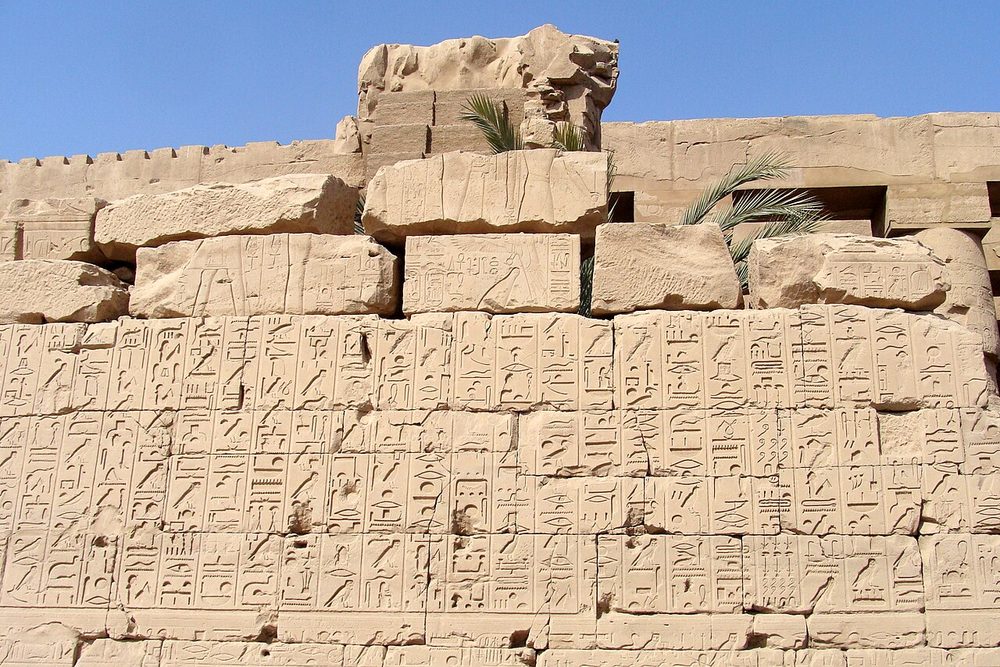
For more than 3,500 years, Egyptians wrote with pictures — birds, snakes, reeds, and eyes that were also sounds. Hieroglyphs are one of the oldest writing systems in the world, and for 1,400 years after the last one was carved, nobody could read them at all. This guide explains how the system worked, who could write, and what Egyptians wrote on.
In short
Egyptian hieroglyphs used about 700 signs — pictures that stood for sounds, words, and ideas — and were used for over 3,500 years, from about 3250 BCE to the last dated inscription in 394 CE. Everyday writing used faster cursive scripts, hieratic and demotic, written in ink on papyrus; only about 1% of Egyptians could read and write.
One of the oldest scripts
Hieroglyphs are among the oldest writing systems in the world. The earliest examples are small bone and ivory labels found in tomb U-j at Abydos, dating to about 3250 BCE — before Egypt was unified. The labels were tied to goods buried with an early ruler, and their signs already include sounds spelling out place names. Cuneiform in Mesopotamia is roughly the same age; which came first is still argued, and the evidence is too close to call.
The word "hieroglyph" comes from Greek and means "sacred carving". The Egyptians called their writing "the words of the gods". It was used continuously for more than 3,500 years: the earliest surviving examples are the little Abydos labels, and the last known inscription was carved on the temple of Philae on 24 August 394 CE. Few writing systems have ever lasted so long.
How the signs work
Hieroglyphs are not picture writing in the simple sense — the pictures are sounds. The system mixes three kinds of sign. Some signs stand for a single consonant sound: there are 25 of these, an alphabet in all but name, except that Egyptian writing did not record vowels. Some signs stand for two or three consonants together. And some signs, called determinatives, are silent — they sit at the end of a word to show what kind of word it is, such as a man, a place, or an action.
In total, about 700 signs were in common use for most of Egyptian history, though the number grew much larger in the late temples. The signs are pictures of Egyptian things: reeds and birds from the Nile, tools, boats, parts of the body, and the gods. Reading direction is given by the signs themselves: you read towards the faces of the humans and animals, so if the birds face left, you read from left to right; if they face right, you read from right to left. Hieroglyphs could also be written in columns, top to bottom.
Everyday writing: hieratic and demotic
Carving pictures in stone is slow work, and it was only used for monuments, temples, and tombs. For everyday writing, scribes used a cursive version of hieroglyphs called hieratic — quick, joined-up signs written with a reed pen and ink on papyrus. Papyrus was made from the pith of the papyrus reed, pressed into sheets; Egypt exported it across the ancient world, and our word "paper" comes from it. Hieratic was used for letters, accounts, tax records, stories, and medical texts.
In the seventh century BCE, an even faster shorthand appeared: demotic, used for business, law, and literature. The Rosetta Stone, carved in 196 BCE, carries the same decree in all three scripts — hieroglyphs, demotic, and Greek — which is why it later unlocked the whole system.
Scribes: the readers
Writing was a specialised skill. Only a small fraction of Egyptians — perhaps 1% — could read and write, and they were almost all men trained as scribes. A scribe's training began as a boy, copying texts at school, and it opened the door to the administration: tax collector, priest, judge, or royal official. Egyptian school texts told boys that the scribe's life was the best of all trades, because the scribe did not have to do hard physical work — though the school texts also describe the beatings that went with the lessons.
What survives is only a fraction of what was written. Papyrus rots, and most documents were thrown away or reused. What we have — stories like the Tale of Sinuhe, medical papyri, love poems, workmen's notes, and tax lists — survived by luck, in tombs, in rubbish heaps, or in the dry desert sand. Together with the stone inscriptions, they are why we know ancient Egypt better than any other civilisation of its age.
Sources: BBC History Magazine — Your Guide to Egyptian Hieroglyphs, Emory University — Egyptian Writing, Britannica — Hieroglyphic Writing Checked 27 November 2026.