Religion & the Afterlife
Egyptians believed that death was not an end but a journey — and they prepared for it for a lifetime. Their religion gave them gods for the sun, the Nile, and the dead; it gave them mummification to preserve the body; and it gave them the Book of the Dead, a guide to the dangers of the afterlife. This guide explains what they believed and why it shaped everything they built.
In short
Ancient Egyptians believed the dead travelled to the afterlife, where the heart was weighed against the feather of Maat, goddess of truth. To prepare, bodies were mummified over about 70 days, tombs were stocked with food and goods, and the dead were given spells from the Book of the Dead to guide them safely through the judgement.
A world full of gods
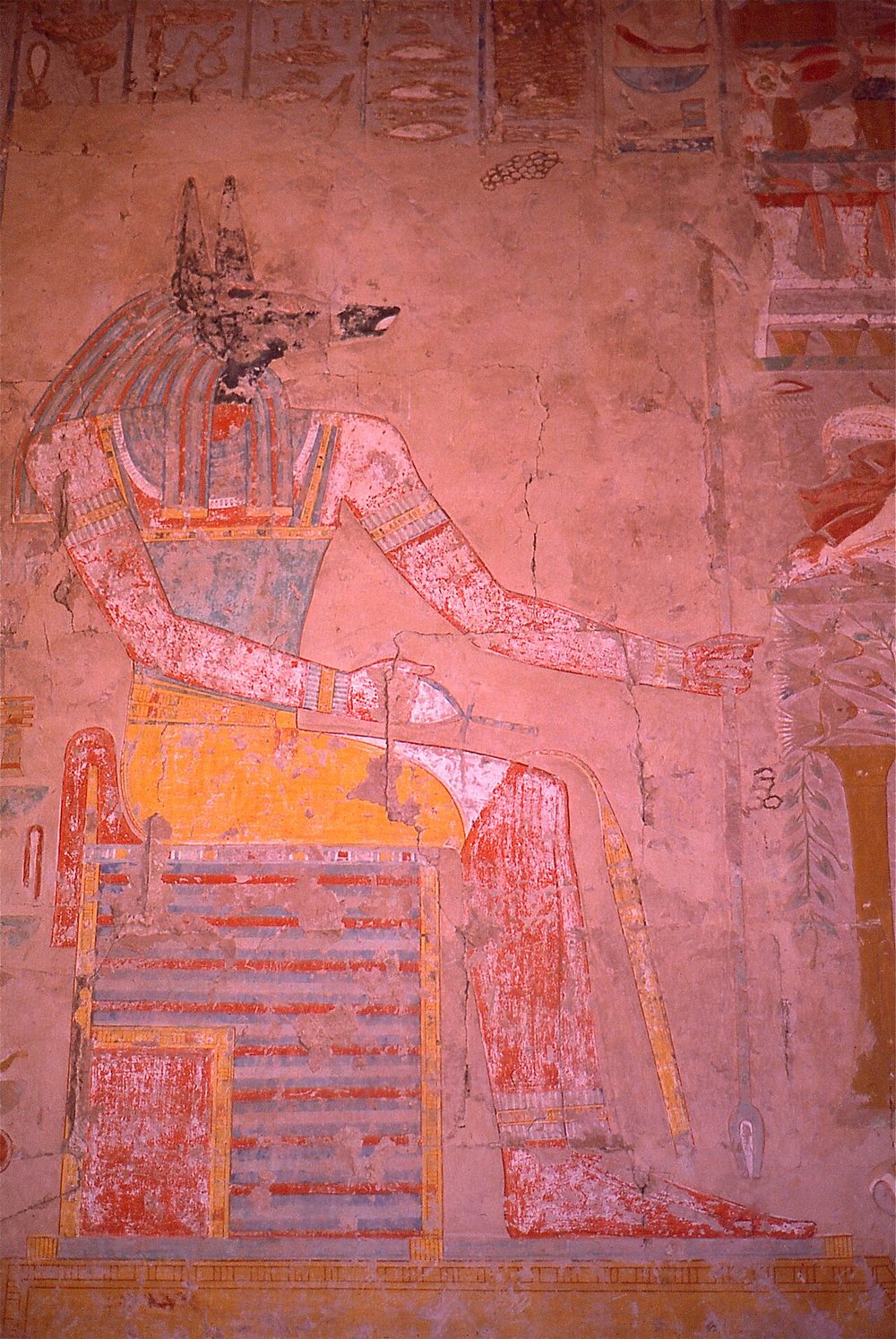
Egyptian religion had hundreds of gods, and new ones appeared over 3,000 years while old ones changed their roles. A few mattered most. Ra was the sun god, who sailed across the sky by day and through the underworld by night. Amun of Thebes became king of the gods in the New Kingdom, joined with Ra as Amun-Ra. Osiris was the god of the dead and of rebirth: murdered by his brother Seth, put back together by his wife Isis, and made ruler of the afterlife. Isis, the great mother goddess, protected the living and the dead. Anubis, the jackal-headed god, guarded the cemeteries and oversaw mummification. Horus, the falcon god, was the living king — every pharaoh was Horus on earth, and became Osiris when he died.
There was no single holy book and no single doctrine. Each city had its own chief god, its own temple, and its own version of creation. The gods were worshipped in temples where their statues were fed, clothed, and carried in procession — but ordinary people rarely entered the temples. They prayed at home, at shrines, and at festivals, and they asked the gods for health, children, and good harvests.
Mummification
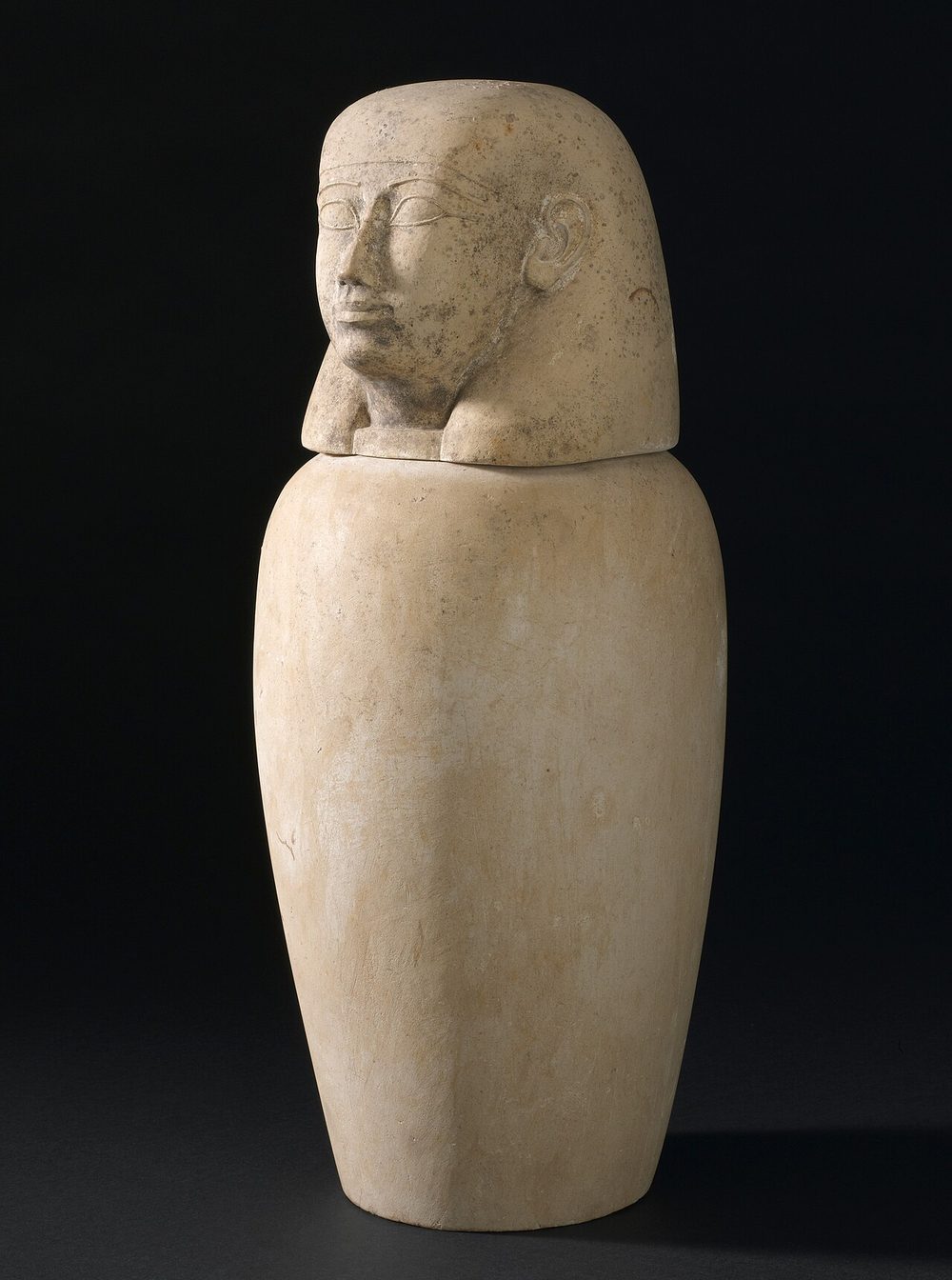
Egyptians believed that a person needed their body in the afterlife, so they preserved it. Mummification was a long and expensive process that took about 70 days. The embalmers removed the brain and the internal organs — the lungs, liver, stomach, and intestines were dried and stored in four canopic jars, guarded by the four sons of Horus — and dried the body in natron, a natural salt, for about 40 days. Then they washed it, packed it with linen and resins, and wrapped it in hundreds of metres of linen bandages, placing amulets between the layers for protection. Only the heart was left in place, because the heart was the centre of thought and memory, and it would be needed at the judgement.
Not everyone could afford a full mummification. The rich had elaborate tombs and the best embalmers; ordinary people were buried more simply in the desert sand, which dried and preserved bodies naturally. The best-preserved royal mummies — including Ramesses II — can still be seen today in the National Museum of Egyptian Civilization in Cairo.
The weighing of the heart
The most famous scene in Egyptian religion is the judgement of the dead. After death, the soul travelled to the hall of Osiris, where the heart was placed on a balance and weighed against the feather of Maat, goddess of truth and order. If the heart was light — free of wrongdoing — the dead person passed into the afterlife, the Field of Reeds, a perfect version of Egypt where the harvest never failed. If the heart was heavy with wrongdoing, it was eaten by Ammit, the "devourer", a monster with the head of a crocodile, the front of a lion, and the back of a hippopotamus, and the person ceased to exist.
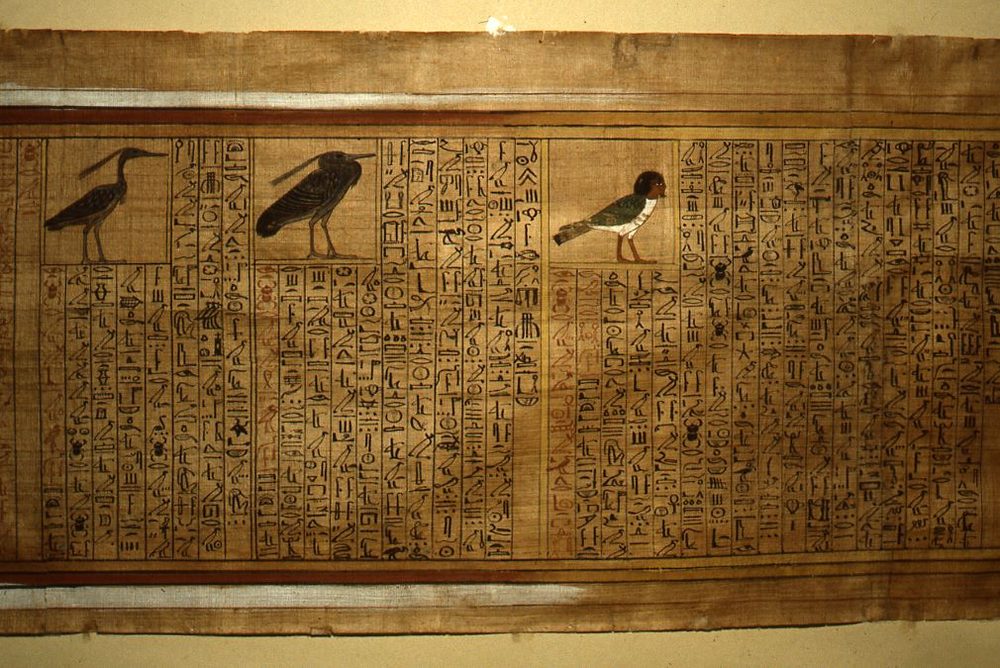
To help the dead pass the test, tombs were filled with spells. The collection we call the Book of the Dead is not one book but many spells, written on papyrus and placed in the tomb, with titles like "Spell for not dying a second time" and "Spell for breathing air". The most famous copy, the Papyrus of Ani (c. 1250 BCE), is in the British Museum. The spells include the "negative confession", in which the dead person declares the wrongs they did not do: "I have not stolen. I have not killed. I have not lied."
Why it shaped Egypt
The belief in the afterlife shaped almost everything Egypt built. Pyramids, tombs, and temples were houses for eternity, built in stone while houses for the living were built in mud brick. Kings spent their reigns preparing their tombs. Craftsmen filled them with furniture, food, clothes, and boats for the journey. The Valley of the Kings, the pyramids of Giza, and the temples of Karnak and Luxor all exist because Egyptians believed that what they built for the dead would last forever — and, in the end, it nearly did.
Sources: Wikipedia — Ancient Egyptian Religion, Britannica — Book of the Dead, Metropolitan Museum of Art — Egyptian Religion Checked 27 November 2026.